
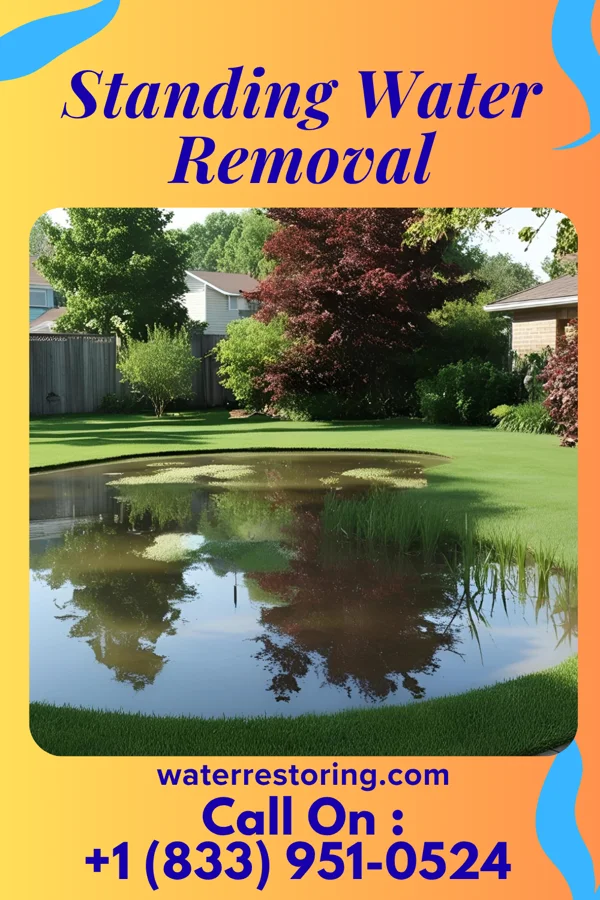
Standing Water Across Blencoe Neighborhoods
Every neighborhood in Blencoe has a different water damage risk profile. The one that shows up on most restoration calls is Blencoe, Iowa experiences primary water damage from sudden flooding due to heavy rainfall and nearby creek overflows, especially during late spring and early summer. Additionally, agricultural runoff from nearby farmlands can lead to unexpected water intrusion in residential properties. These events are often exacerbated by the rural nature of the area, where drainage systems are less developed.. A close second is Secondary water damage in Blencoe is frequently caused by plumbing failures in older homes, particularly in basements and crawl spaces. Leaking water heaters and faulty irrigation systems are also common contributors. These issues are often overlooked until significant damage has occurred..
Blencoe's rural location and proximity to the Little Sioux River make it particularly vulnerable to seasonal flooding. The area experiences heavy precipitation in spring, which can lead to rapid water accumulation. This climate pattern necessitates a proactive approach to water damage mitigation.
Water damage in Blencoe follows a few local patterns. Blencoe, Iowa experiences primary water damage from sudden flooding due to heavy rainfall and nearby creek overflows, especially during late spring and early summer. Additionally, agricultural runoff from nearby farmlands can lead to unexpected water intrusion in residential properties. These events are often exacerbated by the rural nature of the area, where drainage systems are less developed. accounts for the bulk of our calls. Blencoe's rural location and proximity to the Little Sioux River make it particularly vulnerable to seasonal flooding. The area experiences heavy precipitation in spring, which can lead to rapid water accumulation. This climate pattern necessitates a proactive approach to water damage mitigation. Mold growth in Blencoe can occur rapidly due to the region's high humidity and frequent rain events. Prompt water extraction and drying are critical to preventing mold colonization, especially in older homes with limited insulation.